Tulips Revealed: 7 Surprising Facts You Never Considered
Posted on 13/08/2025
Tulips Revealed: 7 Surprising Facts You Never Considered
Tulips are not merely stunning spring blooms that jazz up our gardens with a spectacle of color -- they're living enigmas with a story deeper and richer than you might imagine. From economic frenzies to secret symbolism, tulips hide a world of intrigue behind their iconic petals. Get ready to have your perception of this classic flower transformed as we dive into seven astounding facts about tulips that most people never consider.
1. The Turbulent History of Tulips
It's hard to believe that a flower as gentle-looking as the tulip has a past colored by drama and obsession. But in the 17th century, tulips set the world ablaze -- quite literally fueling one of history's most infamous financial bubbles.
Tulip Mania: The First Economic Bubble
- Tulip mania peaked in the Dutch Golden Age (1630s), when the flower's bulbs became a luxury item coveted by the elite.
- At the height of the craze, a single rare tulip bulb could cost more than an Amsterdam townhouse -- the modern equivalent of thousands of dollars!
- People from all walks of life invested in tulip futures, leading to financial chaos when the market inevitably crashed.
- This event, now known as "tulip mania," is often cited as the first recorded speculative bubble in economic history.
The lesson: Even something as beautiful as a tulip can have unintended consequences -- the tulip forever symbolizes how preciousness can drive people to extremes.
2. Tulips Are Not Dutch in Origin
When we think of tulips, the Netherlands instantly comes to mind. Picturesque fields filled with vibrant rows beneath iconic windmills seem to cement the flower's Dutch reputation. But the flower's roots (quite literally) are far removed from the canals of Holland.
An International Journey
- The original tulip species are native to Central Asia, particularly mountainous regions of what is now Turkey, Kazakhstan, and Iran.
- The flower was cultivated by the Ottoman Empire in Constantinople (modern-day Istanbul), long before the Netherlands became the center of tulip production.
- Ambassadors carried tulip bulbs from the Ottoman courts to Western Europe in the 16th century, officially introducing them to the Dutch.
Today, the Netherlands remains the largest exporter of tulip bulbs and flowers, but the tulip's global journey is a vivid reminder of how nature -- and human passion -- know no borders.
3. Unusual Varieties and Rare Tulip Colors
When you picture tulips, you likely imagine red, pink, or yellow hues. Yet, the tulip world is far more diverse and far more surprising than the classic spring bouquet suggests.
Hidden Hues and Rare Gems
- Tulip shades cover nearly every color of the rainbow -- except for a true, natural blue.
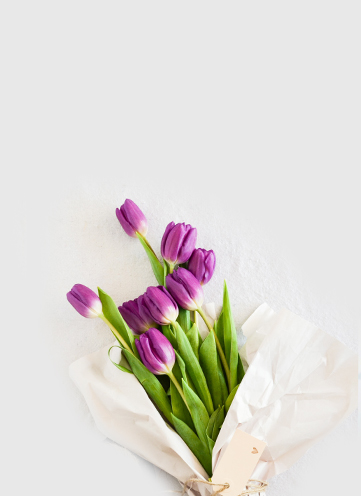
- Some of the rarest and most fascinating tulip colors include jet black (like the 'Queen of Night'), deep purple, or even multi-colored "Rembrandt" tulips, known for their unusual streaks and feathering.
- In 1986, Dutch breeders introduced the first green tulip, the 'Spring Green', expanding the boundaries of tulip colors.
- Bi-colored and frilled tulips -- such as the Parrot and Lily-flowered types -- add unique texture and intrigue to gardens and floral arrangements.
- Each variety's hue is dictated by a complex interplay of pigments, soil conditions, and centuries of selective breeding.
Whether you're walking through a botanic garden or shopping at the market, keep an eye out -- you may just spot a tulip variety you never dreamed existed.
4. A Symbolism Steeped in Culture
Tulips aren't just about visual beauty; throughout history, the flower has carried deep, sometimes hidden meanings for various cultures across the globe.
The Secret Language of Tulips
- In Persian and Turkish culture, tulips are emblems of paradise on earth and are frequently used in poetry and art as symbols of eternal life and perfect love.
- For the Dutch, tulips symbolize national pride, resilience, and post-war rebuilding -- particularly after WWII, when the flower served as a symbol of hope. Every spring, Canada's capital Ottawa is blanketed in tulips as a gesture of gratitude to the Dutch royal family and their wartime support.
- Colors matter: Red tulips stand for undying love, yellow for cheerfulness, white for forgiveness, and purple for royalty or extravagance.
- In Victorian England, the language of flowers -- called "floriography" -- used tulips to convey secret messages of affection and admiration.
Next time you gift or receive a bouquet, consider the message your tulip blooms might be sending!
5. Tulips Are Edible (But Not Always Delicious!)
Would you believe that tulips aren't just a feast for the eyes -- but also, in rare circumstances, for the table?
Famine Food in Hard Times
- During the Hunger Winter of 1944-45 in the Netherlands, food scarcity forced many to eat boiled tulip bulbs to survive World War II. While not particularly tasty, they provided crucial sustenance in desperate times.
- The petals of tulips have also been used as garnishes and salad accents in modern cuisine, offering a slightly crunchy texture and mild, cucumber-like flavor.
- Warning: Not all parts of the tulip are safe to eat. Some species and bulbs contain toxins that can cause stomach upset, so it's essential to identify the variety and use only edible parts if experimenting with tulip recipes.
In summary: While tulips can be edible under dire conditions, most of us should still stick to admiring their beauty rather than making them a dinner staple!
6. Extreme Resilience: How Tulips Survive and Thrive
These flowers are more than delicate beauties; they are survivors, engineered by nature and nurture to outlast harsh conditions and spring back every year with renewed vigor.
The Science Behind Tulip Toughness
- Tulips are perennial bulbs, meaning they store enough energy in their underground bulbs to withstand cold winters and re-emerge each spring.
- Wild tulip species thrive in arid, rocky regions -- places inhospitable for many other plants.
- Many tulips can survive frosts, droughts, and even some flooding, as their bulbs remain dormant and protected below ground when conditions get tough.
- Selective breeding over centuries has created cultivated tulip varieties that resist disease, pests, and unpredictable climates.
With minimal care, tulips will continue to bloom year after year, making them an ideal flower for both rookie and expert gardeners alike.
7. The Global Impact of the Tulip Industry
From small cottage gardens to multinational corporations, tulips have an enormous influence on economies and cultures worldwide.
Bigger Than You Ever Imagined
- The Netherlands remains the undisputed leader in tulip production, exporting over three billion bulbs annually across the globe.
- The blooming fields generate millions in revenue each year and attract millions of tourists for spectacular spring-time festivals like the Keukenhof Gardens show.
- Countries such as the United States, Canada, and Japan also boast booming tulip industries -- from cultivation to specialty floral tourism.
- Tulip festivals worldwide bring communities together to celebrate both the flower's natural beauty and its role in cultural heritage.
Whether you admire tulips in your garden or travel miles to witness their breathtaking displays, your appreciation supports a global network of growers, artists, and flower lovers!

Bonus: Essential Tulip Care Tips for Enthusiasts
Have you fallen under the spell of tulips? Here are some essential care tips to keep your tulip blooms healthy and vibrant for seasons to come:
- Plant bulbs in fall--six to eight weeks before the first hard frost--to give them time to establish strong roots.
- Choose a well-draining spot with plenty of sunlight; tulips dislike soggy soil!
- Feed bulbs with a balanced fertilizer at planting time and again when shoots first emerge in spring.
- After blooming, allow foliage to yellow and die back naturally -- this process feeds the bulb for next year's flowers.
- For continuous shows, mix early, mid, and late-blooming varieties throughout your beds.
Pro tip: Rotate the planting site every 3-5 years to reduce disease buildup, and consider lifting and dividing bulbs if clumps become crowded.
Conclusion: The Endless Allure of Tulips
Tulips truly are more than just pretty faces in the garden. They have stirred human hearts, changed economies, and traveled the world on a tide of fascination and beauty. Each variety, color, and story brings something new and unexpected -- proof of nature's unending capacity for surprise.
So the next time you spot a tulip unfurling in the spring sunshine, remember: behind its elegant petals lies a universe of history, mystery, and enduring wonder. Don't just admire the beautiful tulip flowers -- let their story inspire your own growth and curiosity!
Curious to learn more? Explore our other guides for more surprising garden secrets and flower facts!
Latest Posts
Supporting Local Flower Growers: Farms and Markets in [AREA]
Creating Joyful Birthday Memories with Flowers
Floral Magic: 3 Simple Techniques for Preserving Your Favorite Flowers